

Lab Grown vs. Natural Diamonds – the difference
Introduction
Diamonds have been a symbol of love, permanence, and luxury for millennia. But in a world increasingly focused on sustainability and transparency, many couples today face a new question:
Should it be a natural diamond from the earth or a lab-grown diamond?
The answer surprises many – because both are chemically and physically identical. The difference lies not in the stone itself, but in its history.
1. Origin & Development
Natural diamonds
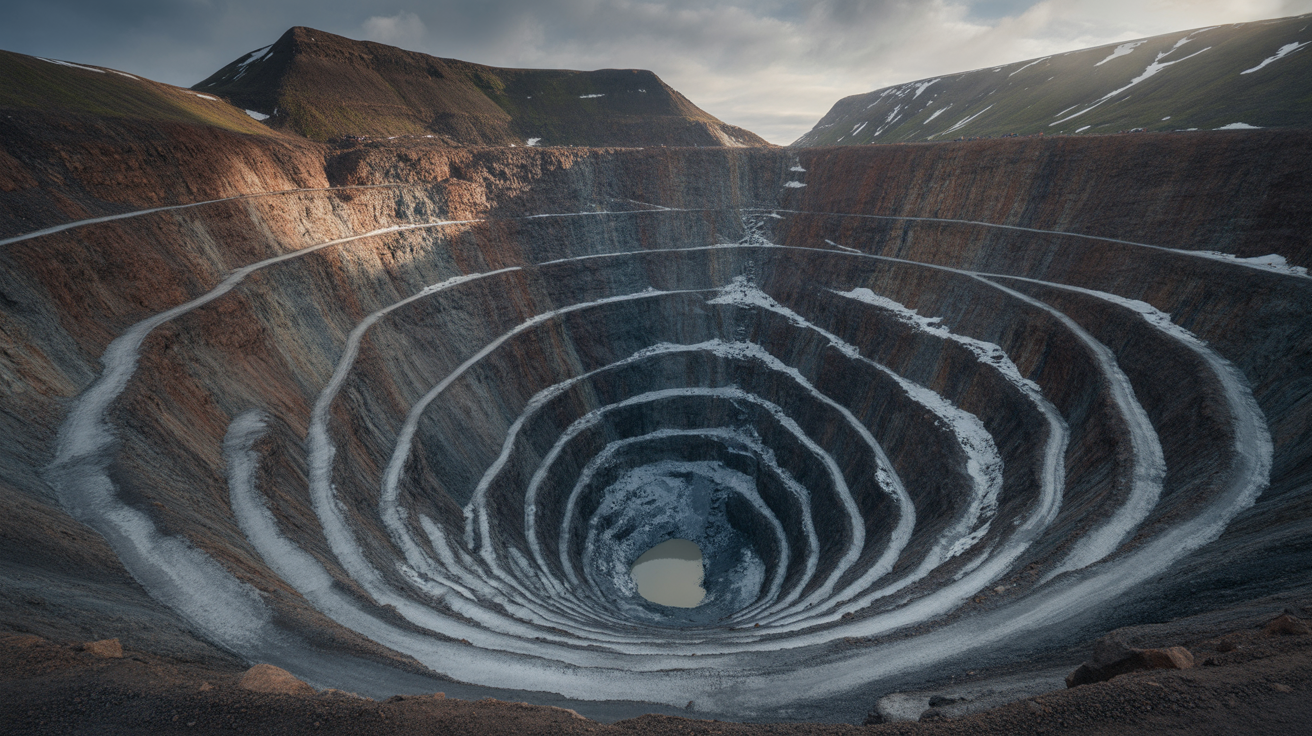
Natural diamonds form deep within the Earth's interior over a period of 1 to 3 billion years . They grow in kimberlite rocks under extreme pressure and temperatures before being mined to the surface. Mining is laborious, expensive, and associated with significant environmental impacts.
Laboratory diamonds
Laboratory diamonds, on the other hand, are created in just a few weeks using the latest high-tech processes:
- HPHT (High Pressure High Temperature): Simulation of pressure and heat like in the Earth’s mantle.
- CVD (Chemical Vapor Deposition): Carbon atoms are deposited layer by layer onto a diamond seed – similar to 3D printing at the atomic level.
Both processes produce genuine diamonds that are indistinguishable from natural diamonds in their chemical composition.

2. Quality & Features
In terms of quality there is no difference:
- Hardness: 10/10 on the Mohs scale – the hardest substance in the world.
- Shine & brilliance: identical, indistinguishable to the human eye.
- Certification: Both natural and lab-grown diamonds are tested by independent laboratories such as IGI, GIA, or HRD.
Only special tests (spectroscopy) can determine whether a diamond comes from a mine or a laboratory.
3. Sustainability & Ethics
Natural diamonds
- High energy and water consumption
- Ecological consequences of deforestation and blasting
- Critical working conditions and the risk of so-called “Blood Diamonds”
Laboratory diamonds
- No mines, no exploitation
- Transparent origin
- Lower ecological impact (although associated with energy consumption)
- Ethically a much more sustainable path

4. Price & Availability
- Natural diamonds: Usually more expensive due to their rarity.
- Lab-grown diamonds: Up to 30–40% cheaper , with the same quality. Larger stones or higher clarity are possible for the same budget.
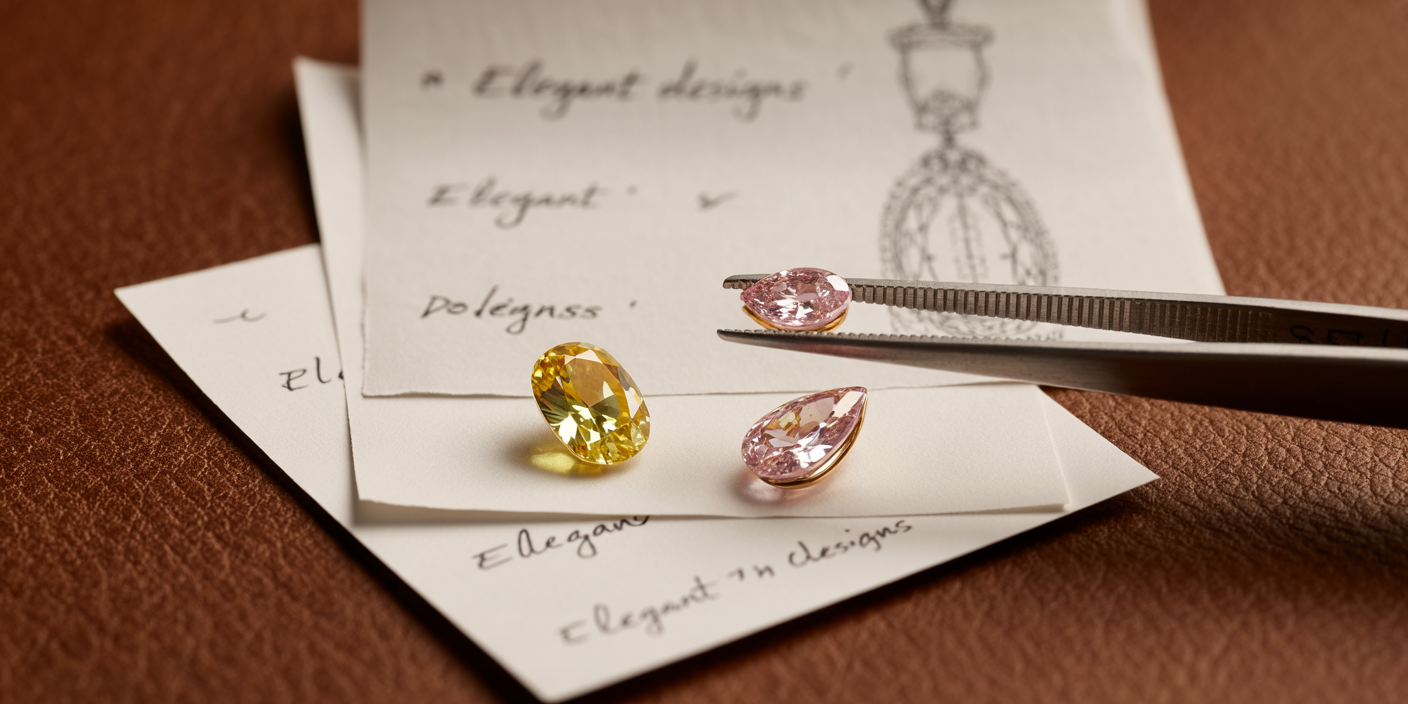
In addition, laboratory diamonds can be produced in a wider variety – from classic white diamonds to colored fancy diamonds such as yellow, blue or pink. 
5. Symbolism & Future
- Natural diamonds: represent history, rarity and tradition.
- Lab-grown diamonds: stand for innovation, transparency and sustainability.
The increasing demand for lab-grown diamonds shows that more and more people today associate luxury not only with beauty, but also with values and responsibility.
Conclusion
Lab-grown diamonds and natural diamonds are both real diamonds. The real difference lies in their origin—and what they symbolize.
For those who value sustainability, transparency, and innovation, lab-grown diamonds are a more contemporary choice.
Maison Gabriel Advantage: All our diamonds are certified by independent laboratories such as IGI, GIA or HRD, for maximum transparency and quality.
Schedule a consultation now and learn more about our diamonds.